


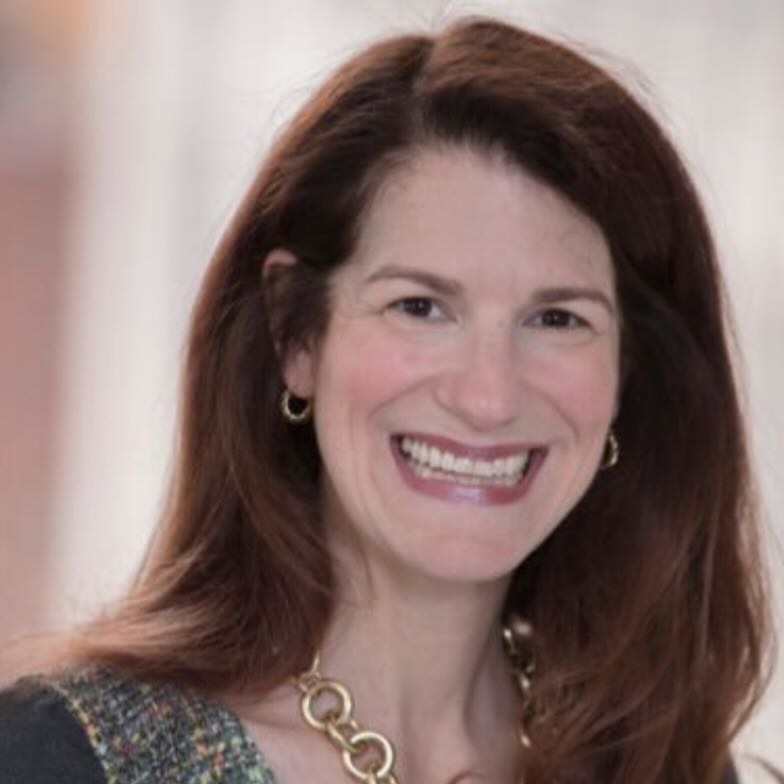
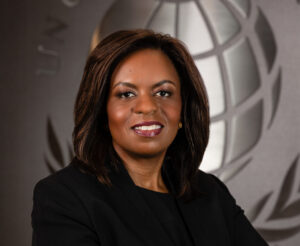
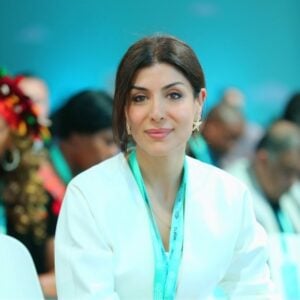
Alexandra Liftman
Global Environmental Executive for Bank of America
Bank of America

Alexandra Liftman
Global Environmental Executive for Bank of America

Globally renowned climate leaders, pioneers and practitioners will share their expertise, experiences and solutions across the Main Stage and Action Stage, at the Forum.
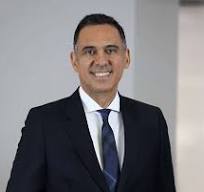




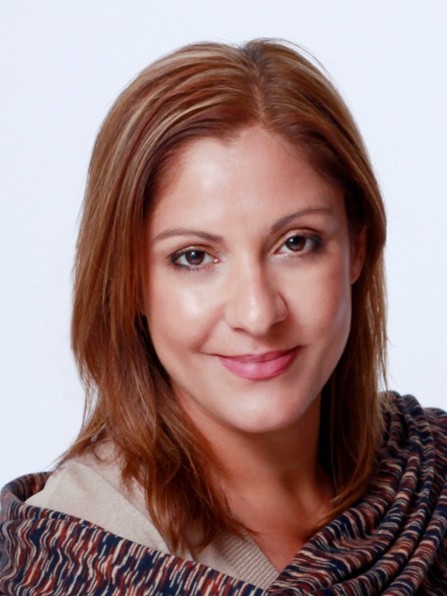
Amal-Lee Amin joined British International Investment in February 2020 to lead implementation of the climate strategy for aligning to the goals of the Paris Agreement. A passionate advocate for sustainable development, she now also leads teams on gender and diversity and advisory. Amal-Lee has had senior advisor roles including the UK’s COP26 Presidency, the Green Climate Fund and is currently a member of the independent High Level Expert Group on Climate Finance, the OECD Advisory Group on Climate and Economic Resilience and the UAE’s Independent Climate Change Accelerator. From 2015-2020 Amal-Lee was Chief of Climate Change at the Inter-American Development Bank, working across the MDB system to scale climate finance in developing countries. For 10 years Amal-Lee led policy on sustainable energy and climate change in key roles within the UK Government’s Cabinet Office, DECC, DEFRA and Foreign and Commonwealth Office. From 2010-15 Amal-Lee developed E3G’s international climate finance programme, with focus on China and Latin America.


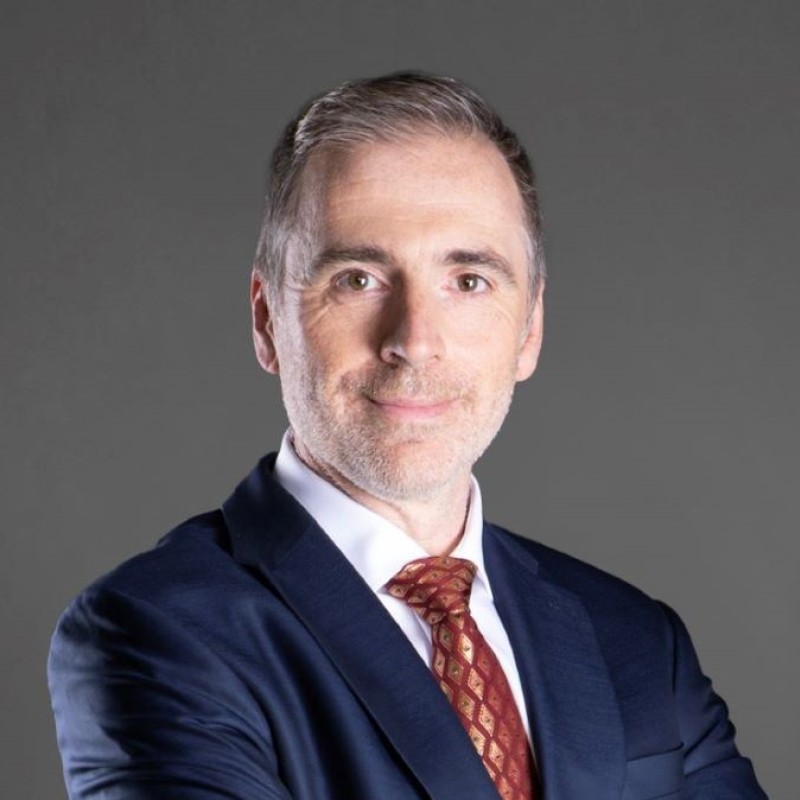


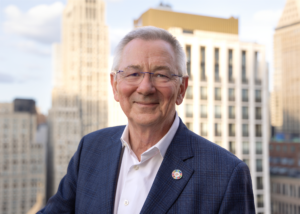



Dr. Barbara Buchner is Global Managing Director of Climate Policy Initiative and a leading authority on climate finance. Recognized among the most influential in climate policy, she advises global leaders on climate, energy, and land use investments. She directs the Global Innovation Lab for Climate Finance, whose instruments have mobilized over USD 4 billion for sustainable development. Barbara also leads the Global Landscape of Climate Finance, the benchmark for tracking flows, and coauthored the OECD’s seminal USD 100 billion report ahead of the Paris Agreement. She founded the San Giorgio Group, fostering collaboration to accelerate sustainable, low-emission economies.


It is in Bertrand Piccard’s DNA to go beyond the obvious and achieve the impossible. From a legendary lineage of explorers who conquered the stratosphere and the abysses, he made history by accomplishing two aeronautical firsts, around the world non-stop in a balloon, and more recently in a solar plane without fuel. Pioneer in his way to consider ecology through the lens of profitability, he began working in the early 2000s to promote renewable energies and clean technologies. His dual identity as a psychiatrist and explorer makes him an influential voice heard by the largest institutions which today consider him as a forward-thinking leader on the themes of innovation and sustainability. Founder and Chairman of the Solar Impulse Foundation, he has succeeded in his mission to select 1000 efficient solutions to protect the environment in a profitable way. In a third round the world tour, he will bring them to decision-makers in order to help them meet their environmental targets while ensuring clean economic growth.
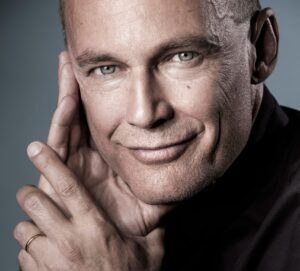



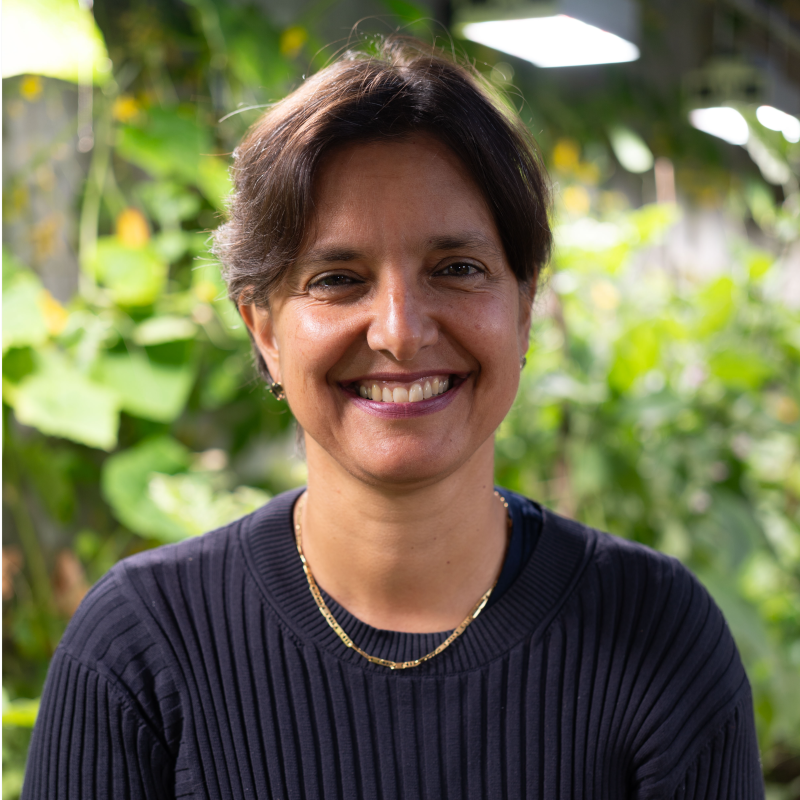


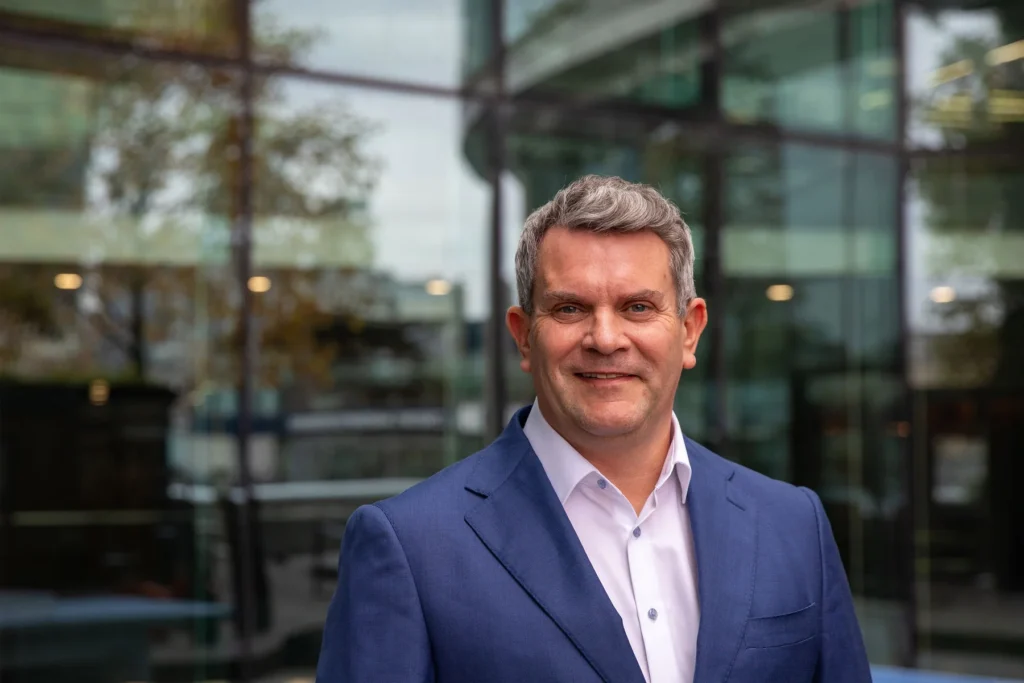
Colm leads the EY sustainability and climate change agenda globally.
He works across all of EY to support the design and delivery of services that help clients achieve their goals and provide EY professionals with opportunities to upskill and engage on sustainability. He also contributes to the EY Global Environment Strategy targeting a 50% reduction in absolute GHG emissions by 2030, and the development and integration of nature metrics for water, waste and pollution.

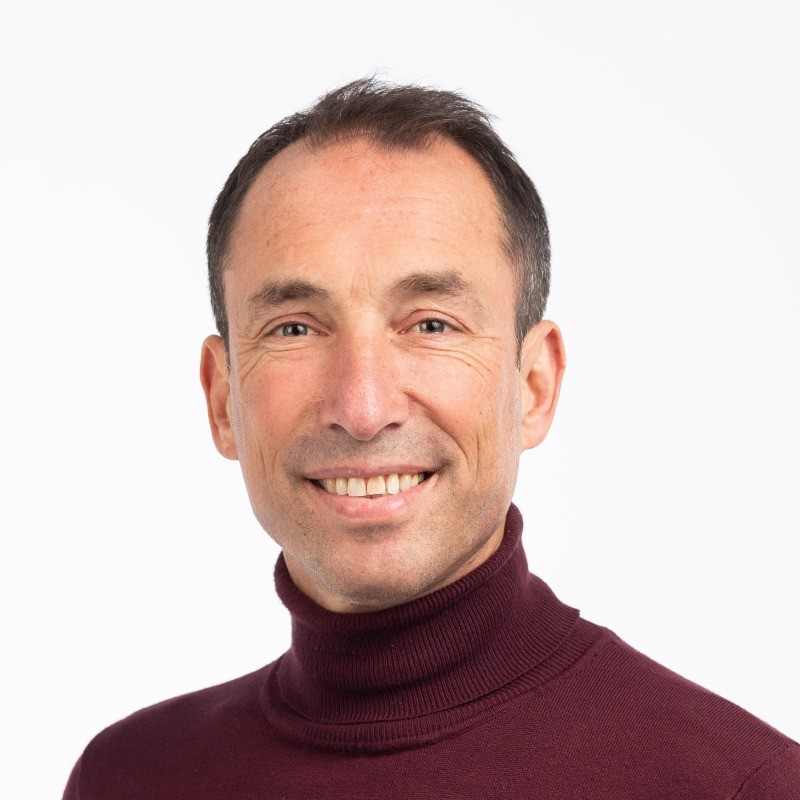

David Higgins is the Deputy Executive Director to Australia’s President of Negotiations and Head of International Climate and Energy Division in the Australian Department of Climate Change, Energy, the Environment and Water. David has a wealth of public sector experience in international and multilateral affairs, with over 25 years’ experience in the Australian Public Service. His roles have covered economic and finance policy matters in the Australian Treasury, Department of Industry, and the Department of Foreign Affairs and Trade, where he served as a diplomat to the European Union and on secondment to the World Bank. Over the past 13 years, his main area of focus has been international climate change and is a leading policy expert on climate finance and the international climate change negotiations.


With 30+ years of experience across 40+ countries, David Kennedy is a recognized leader in sustainability and net-zero. He is currently CEO of the Science Based Targets initiative (SBTi), following senior roles in both public and private sectors.
Previously a Partner at EY, David advised over 20 major firms on net-zero strategy across food, infrastructure, manufacturing, and banking.
As Director General at Defra, he led the UK food system through Brexit and Covid, with a focus on food security, biosecurity, and farming reforms to boost productivity and improve environmental performance.
As Director General at DfID, he designed and implemented economic development strategies in sub-Saharan Africa, focusing on clean infrastructure and private sector growth, and led UK representation in major international financial institutions.
His annual budget responsibility was several billion pounds over a ten year period.
David was the founding CEO of the UK’s Committee on Climate Change, where he developed the UK’s first carbon budgets and key policies for power, transport, and heat.
Earlier roles include leading on the economic case for nuclear power, EU ETS reform, and energy strategy / investment at the World Bank and EBRD.
He has a PhD in economics from LSE. He was awarded a CBE for services to climate change and a CB for public service during Covid.


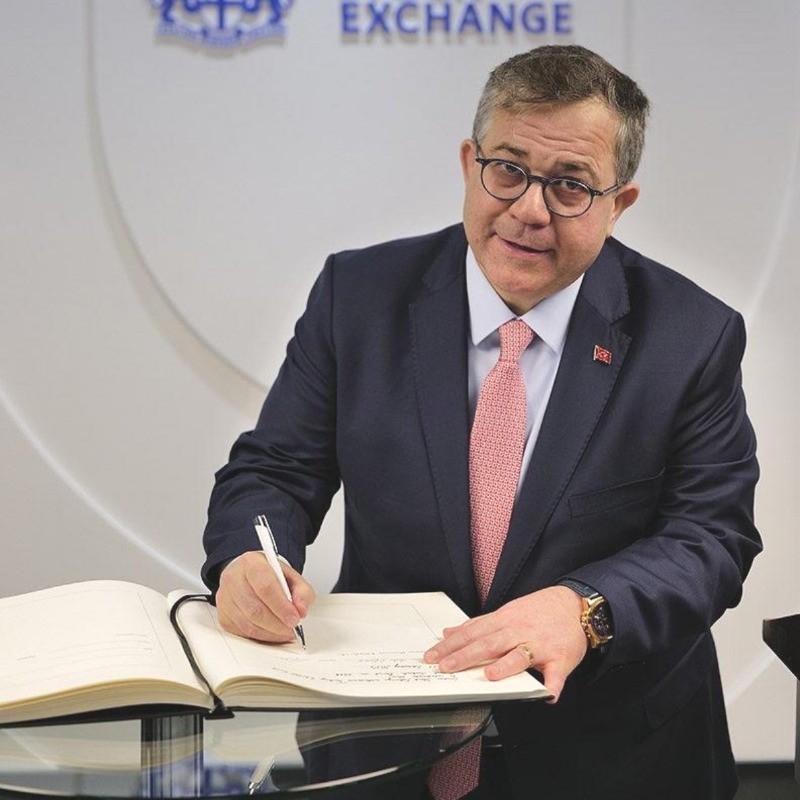
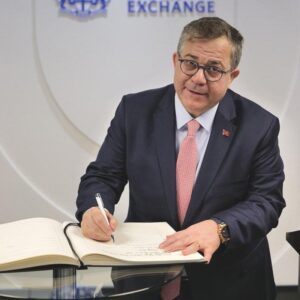


Dr. Kirsten Dunlop is Chief Executive Officer at Climate KIC, Europe’s leading climate innovation agency and community. She brings to her role a deep conviction in our capacity to learn and evolve into a climate-resilient society, and her over 30 years of experience catalyzing systemic transformations in a career spanning academia, consulting, banking, and the insurance industry, across three continents. Kirsten serves on various Advisory Boards and is recognized as a leader at the European Commission Economic and Societal Impact of Research and Innovation (ESIR) expert group. A specialist in experiential learning and cross-disciplinary practice, she holds a Ph.D. in Cultural History from the University of East Anglia and a BA Hons in Art History from the University of Sydney.


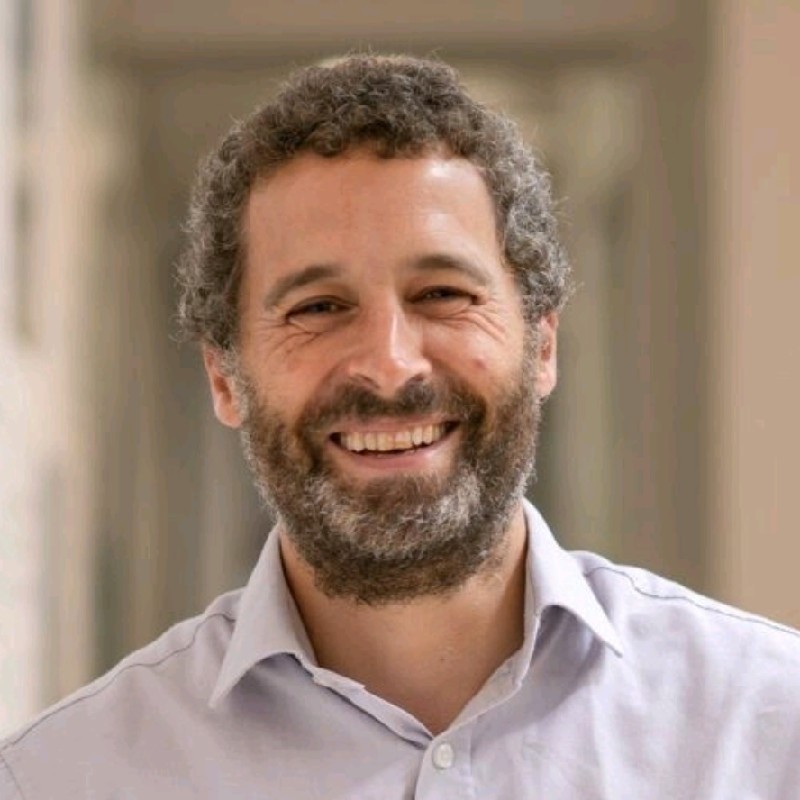

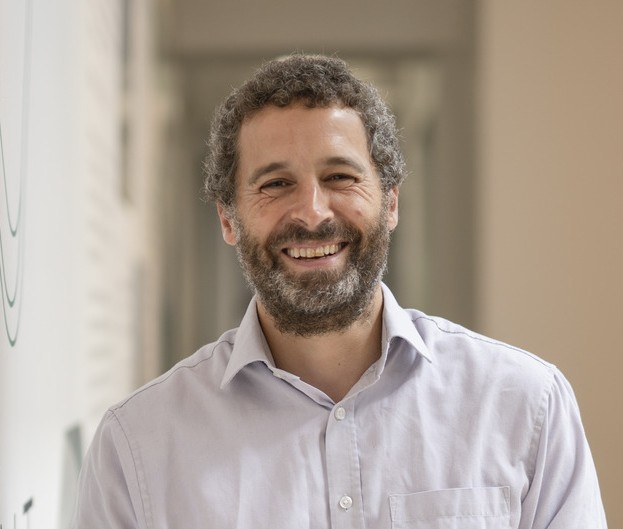
Duncan is a Partner and Buro Happold’s global lead for sustainability and climate change. He has 30 years’ experience working with city authorities, investors, developers and asset managers to accelerate the transition to a sustainable built environment. He leads Buro Happold’s organisational partnerships with a range of industry bodies shaping policy and best practice including UK Green Building Council, WorldGBC, Aldersgate Group, Climate Group and We Mean Business Coalition.
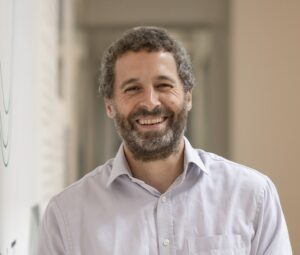




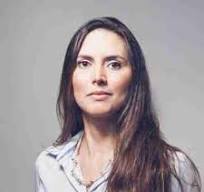


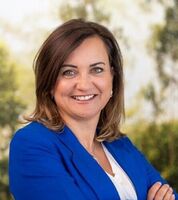
Florence Henry, Group Sustainability Officer, Nestlé Florence leads sustainability globally at Nestlé, working across businesses and geographies to embed sustainability into business strategy and strengthen long-term resilience and value creation. Her priorities span regenerative agriculture, climate action, water resilience, responsible sourcing and packaging circularity, with a strong focus on translating ambition into action across Nestlé’s value chain. Florence joined Nestlé in 2011 and has held senior commercial and general management roles across Europe, Asia, the Middle East and Eastern Europe. She later led sustainability for Nestlé’s Nutrition business and, most recently, across Zone Americas, where her work included the development of the Nestlé Dairy Plan and the expansion of regenerative agriculture programs. She brings a strong business perspective to sustainability, grounded in transformation, innovation and collaboration.

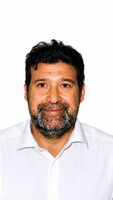

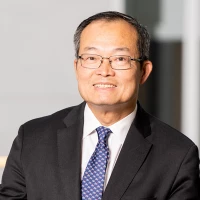


Mukhtar Babayev was appointed Representative of the President of the Republic of Azerbaijan on climate issues on 5th February 2025. In this role, Mr Babayev is the official envoy appointed by the President of Azerbaijan to address matters relating to climate change and environmental challenges. Mukhtar Babayev was previously appointed COP29 President-Designate on 4 January 2024. He has served as Azerbaijan’s Minister of Ecology and Natural Resources since 2018. Under his leadership, the Department has led efforts to improve Azerbaijan’s environment and drive green growth, including the creation of “Azerbaijan 2030: National Priorities for Socio Economic Development”. During his tenure, his department also played a leading role in the development of the “Strategy of Socio-Economic Development of the Republic of Azerbaijan 2022-2026”, which set out a number of biodiversity, forestry and environmental restoration ambitions, alongside new renewable energy deployment targets. Mr. Babayev began his career working for the State Committee for Economy and Planning and for the Ministry of Foreign Economic Relations. He joined the State Oil Company of Azerbaijan Republic (SOCAR) in 1994 and served in a variety of roles there until 2018, including as Vice President of Ecology from 2007 to 2010, in which he led efforts to limit the company’s environmental impact. In 2010, Mr. Babayev was elected as a member of the National Assembly of Azerbaijan, following which he was elected a member of the National Assembly’s Parliamentary Committee on Natural Resources, Energy and Ecology.


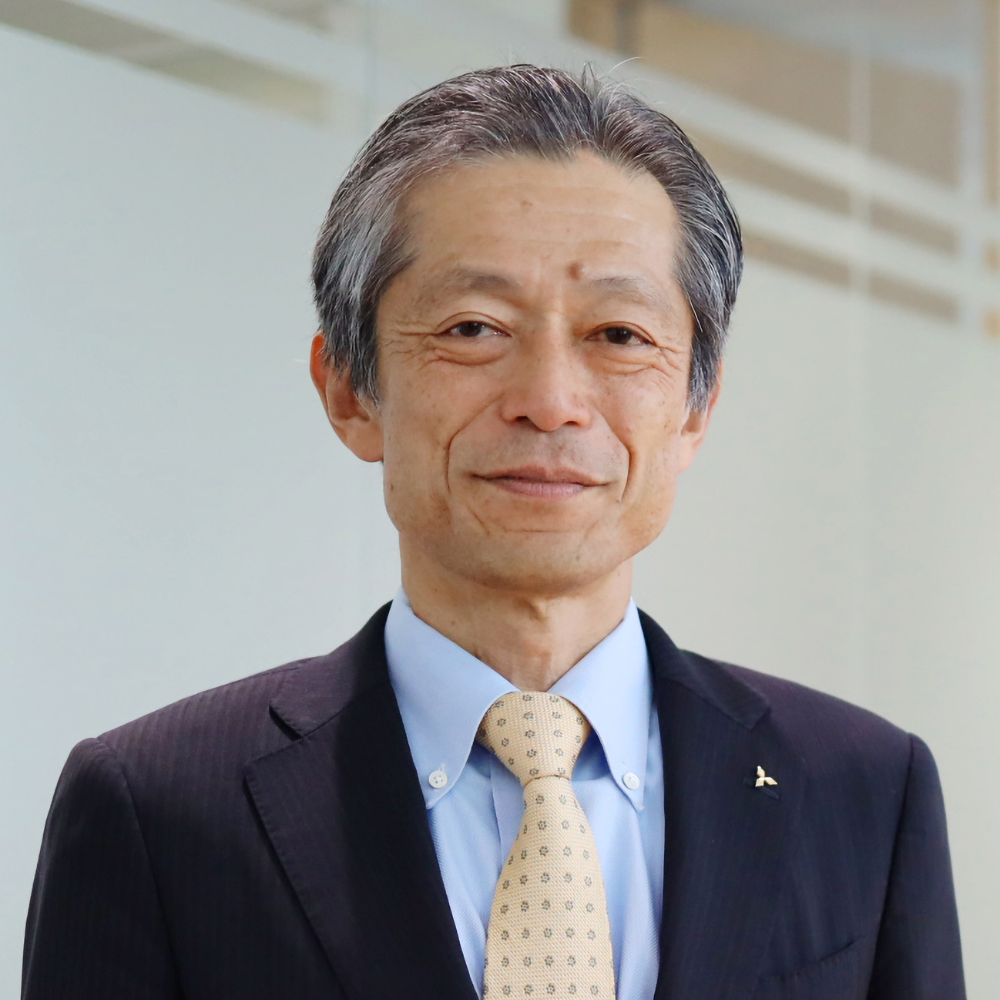
As the Chief Regional Officer of Mitsubishi Heavy Industries (MHI) for Europe, Middle East and Africa, based in London, Mr. Matsuda leads business activities and works with MHI’s Group Companies across the region.
Prior to this role he served as a Senior Vice President of Energy Systems and as a General Manager at the Energy Transition & Power Headquarters at MHI, where he worked toward the creation of new businesses in the energy transition field. He has also served as Chairman at MHI Group Company Turboden in Italy. Having joined Mitsubishi Heavy Industries in 1985, most of his career at MHI has been with the nuclear energy businesses. From 2011 to 2013, he was stationed in the US, where he was SVP at Mitsubishi Nuclear Energy Systems, a subsidiary of MHI. From 2017 to 2020, he was General Manager and later Vice President for the Nuclear Energy Systems Division of Power Systems.
MHI Group is one of the world’s leading industrial firms, spanning energy, smart infrastructure, industrial machinery, aerospace and defense, which delivers innovative solutions across a wide range of industries that move the world forward. Through collaborative partnerships and customers, the goal is to achieve carbon neutrality by 2040 through their “Mission Net Zero” goal.


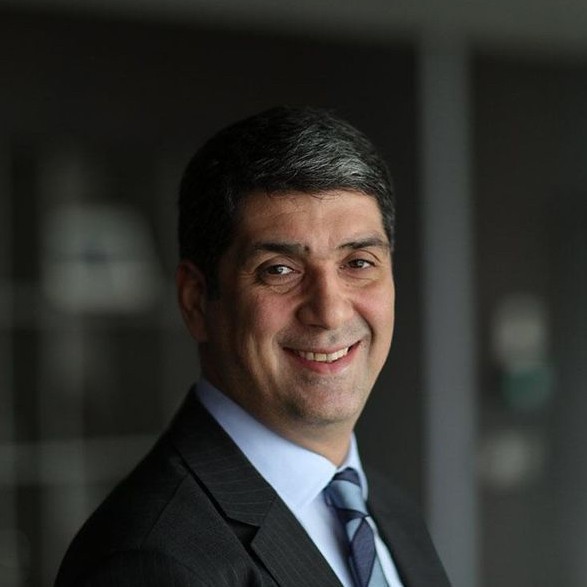
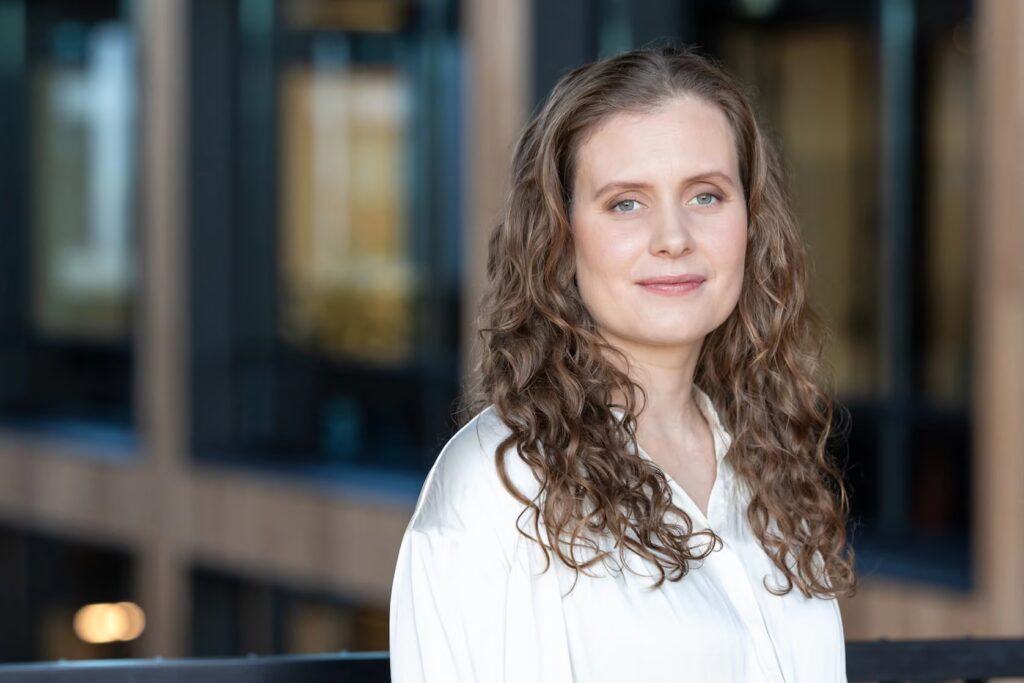



Jules Kortenhorst is a global leader on energy issues and climate change. He is co-chair of the Energy Transitions Commission, and advisor to the board of Bridge Carbon, a carbon market development company. Until 2023, he served as CEO of RMI, (Rocky Mountain Institute), a global non-profit organization focused on accelerating the energy transition. Prior to that Jules was the founding CEO of the European Climate Foundation, the largest philanthropic organization dedicated to climate change in Europe. Earlier in his career, Jules served in the Dutch Parliament, was the CEO for International Operations of ClientLogic Corporation, and worked for nearly ten years in various roles at Royal Dutch/Shell, including as managing director of Shell Bulgaria. He began his career at McKinsey & Co. He currently serves on the Boards of Enstall Group BV, of LongPath Technologies, and of the Circle Economy. Jules earned a master’s in economics from Erasmus University in the Netherlands and an MBA from Harvard Business School.

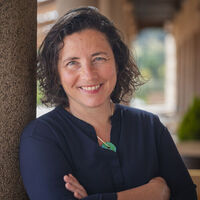
María Mendiluce is CEO of We Mean Business Coalition, leading global efforts to drive corporate action toward net zero. To date, WMBC has mobilized over 20,000 companies to commit to Paris-aligned emissions reductions. María serves on the Board of the Science Based Targets initiative and is the co-founder of the SME Climate Hub. Previously the Managing Director of WBCSD, she also held senior positions in both government and energy sectors. María is among TIME’s 100 most influential climate leaders and has received multiple international awards for her leadership in sustainability and climate action. She holds a PhD in energy economics. Maria is the 2024 recipient of the “Woman of the Year” award at the Women in Green Business Awards, in 2023 she was named one of TIME’s 100 most influential climate leader in business, and in 2021 she was the recipient of the Spanish Climate Personality of the Year award by The Climate Reality Project.
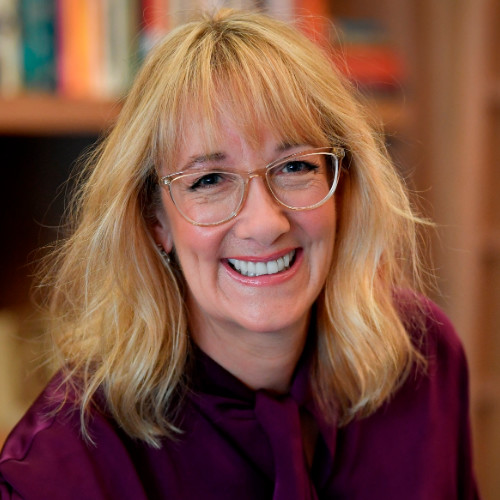



Michael Cahill has served as Mayor of the City of Beverly, MA, USA for the last 13 years, and is currently in the first year of a four year term in office. He serves on the Steering Committee of US Climate Mayors, and serves in Massachusetts on the Advisory Board of the state’s Office of Energy Transformation as well as on the MA Energy Facilities Siting Board. His goals are to help understand and facilitate modernization and electrification of the state’s and New England region’s power grid, prioritizing the onboarding of new clean, renewable electric supply. Among Mayor Cahill’s accomplishments in Beverly: the city is actively electrifying its vehicle fleet, including 13 new EV school buses, 10 of which provide electricity to the regional grid during peak demand times through a vehicle to grid (V2G) agreement with the city’s utility partner; built a near net zero police station (opened in 2021) with a geothermal ground source heating and cooling system, soon to be powered by behind the meter rooftop and parking lot canopy solar; Beverly has identified and brought online over 12+ megawatts of solar installed and active on multiple city-owned properties, with plans to install more at both the aforementioned police station and at six additional public school buildings. Currently renovating the city’s historic (1783) City Hall, including new air source heat pump HVAC system.

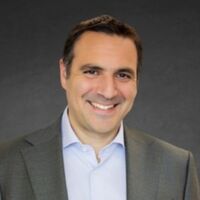
Since January 2025, Noam has been leading of the First Movers Coalition – the World Economic Forum’s flagship industry decarbonization initiative across seven hard-to-abate sectors. He has 15+ years’ experience at the crossroads of climate, energy and industry transformation, having held various positions across government, private sector and non-governmental work. Prior to his role in the First Movers Coalition, he led Policy Engagement and Regional Action at the World Economic Forum’s Center for Energy and Materials. His work focused on engaging with policymakers at the regional, national and global level to accelerate the Energy transition. Noam has held positions at the French Ministry of Foreign Affairs where has was involved with international climate negotiations (2009-2013); at TOTAL (2014-2016), as a senior climate and energy advisor, before joining the World Economic Forum in 2016. Noam holds an Master’s Degree in Political Science from Science-Po Strasbourg, France; and an MSc in International Political Economy from the London School of Economics and Political Science, UK. He is currently based in Geneva, Switzerland with his family.

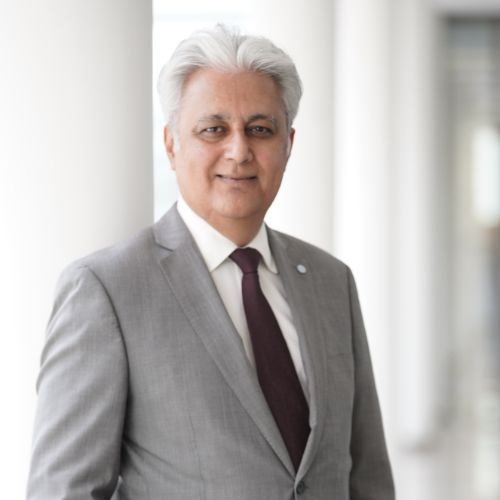


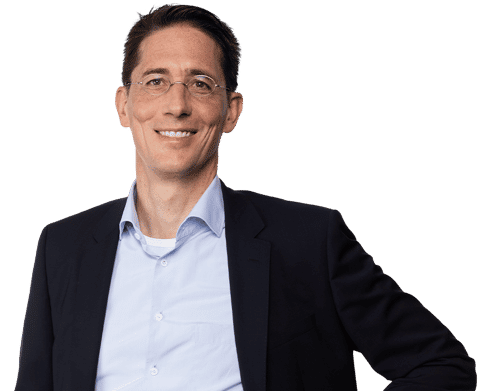




Rt Hon Chris Skidmore OBE was the UK’s Energy and Clean Growth Minister in the British Cabinet when he signed the UK’s commitment to net zero by 2050 into law- becoming the first G7 country to do so. He further chaired the UK’s Net Zero Review, publishing the influential Mission Zero report in 2023. He is Chair of the Climate Action Coalition and Chair of the Centre for Economic Transformation (Cetex) at the London School for Economics and a Fellow at the Harvard Salata Institute for Climate. He also chairs the Policy Working Group for the UK’s Transition Finance Council and is Chair of Desmos Capital Partners.


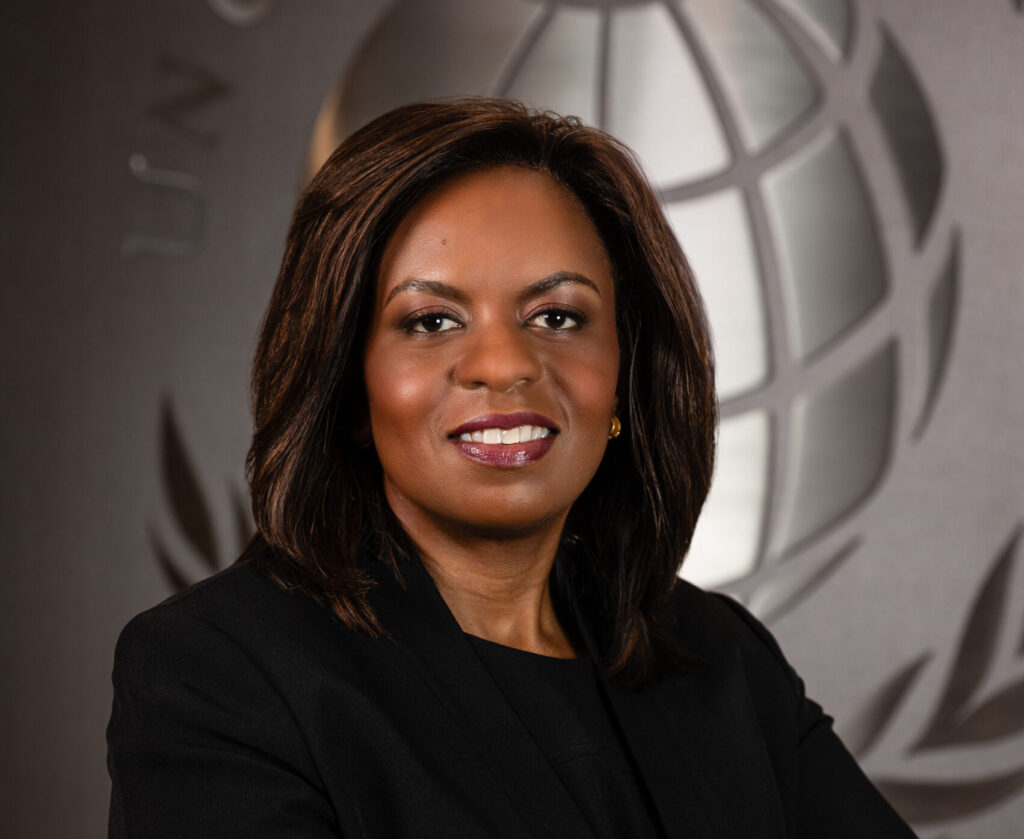
Ms. Sanda Ojiambo was appointed Assistant Secretary-General of the United Nations Global Compact Office by UN Secretary-General António Guterres in April 2022. She has served as CEO and Executive Director of the UN Global Compact since June 2020. Under her leadership, the UN Global Compact has undergone a period of significant growth and strategic transformation, strengthening its role as the leading platform for business engagement in advancing the Sustainable Development Goals (SDGs). She has championed initiatives such as Forward Faster to accelerate corporate action on climate, gender equality, living wages, water resilience and finance, while deepening collaboration between business, Governments and the UN system. Ojiambo has overseen the expansion of the global footprint of the UN Global Compact, including the establishment of regional hubs in Abuja, Copenhagen, Dubai, Panama City and Bangkok, bringing the initiative closer to companies and stakeholders around the world. Today, the UN Global Compact is the world’s largest corporate sustainability initiative, with more than 25,000 participants in more than 160 countries. With more than two decades of experience across the private sector, multilateral institutions and public-private partnerships, Ojiambo brings deep expertise at the intersection of business, investment and sustainable development. She has been instrumental in mobilizing the private sector to support global priorities, including climate action, sustainable finance and inclusive growth. She holds a Master of Arts in Public Affairs from the University of Minnesota, USA, and a Bachelor of Arts in Economics and International Development from McGill University, Canada.

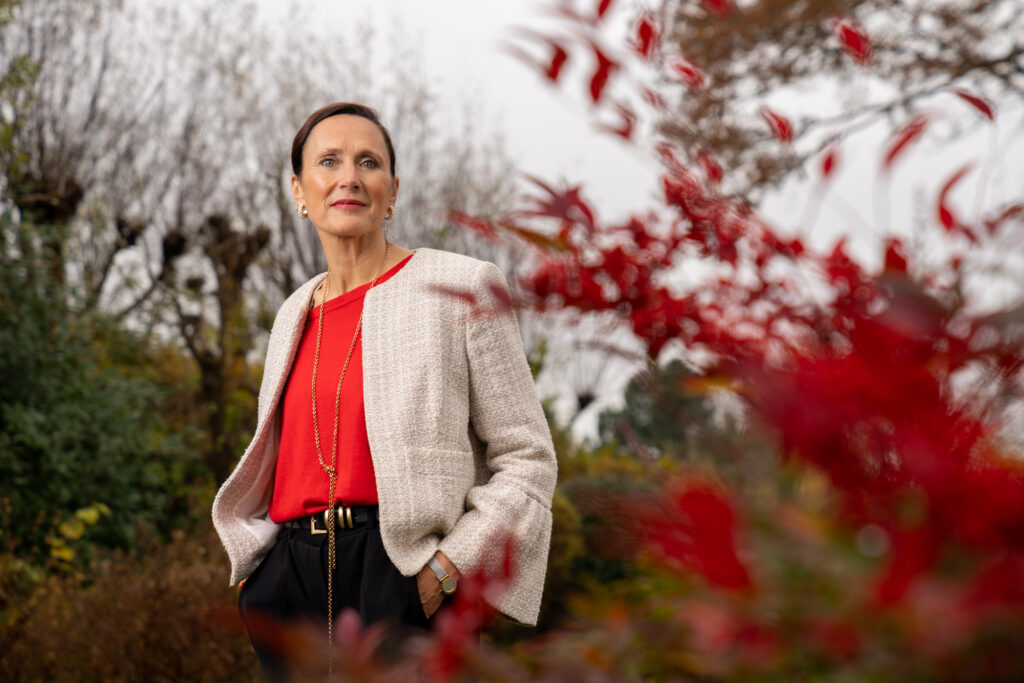
Sandrine Dixson-Declève served as Co-President of the Club of Rome from 2018-2024 and now acts as its Honorary President while leading as the Executive Chair of Earth4All and the Brussels based Systems Transformation Hub, both promoting economic, financial and governance systems change for a sustainable future enhancing well-being. She sits on the Climate Governance Commission and the newly formed WHO Pan European Climate & Health Commission. She has advised governments, businesses, and international organizations, chaired the European Commission’s Expert Group on Economic and Societal Impact of Research & Innovation (ESIR), and serves or has served on Boards and advisory boards of Climate KIC, Laudes Foundation, Imperial College London, UCL, BMW, UCB and EDP. A TED speaker and author, she co-wrote Earth for All: A Survival Guide for Humanity and advocates for bold climate action, economic reform, and social equity to address global challenges. Sandrine currently teaches at the College of Europe.


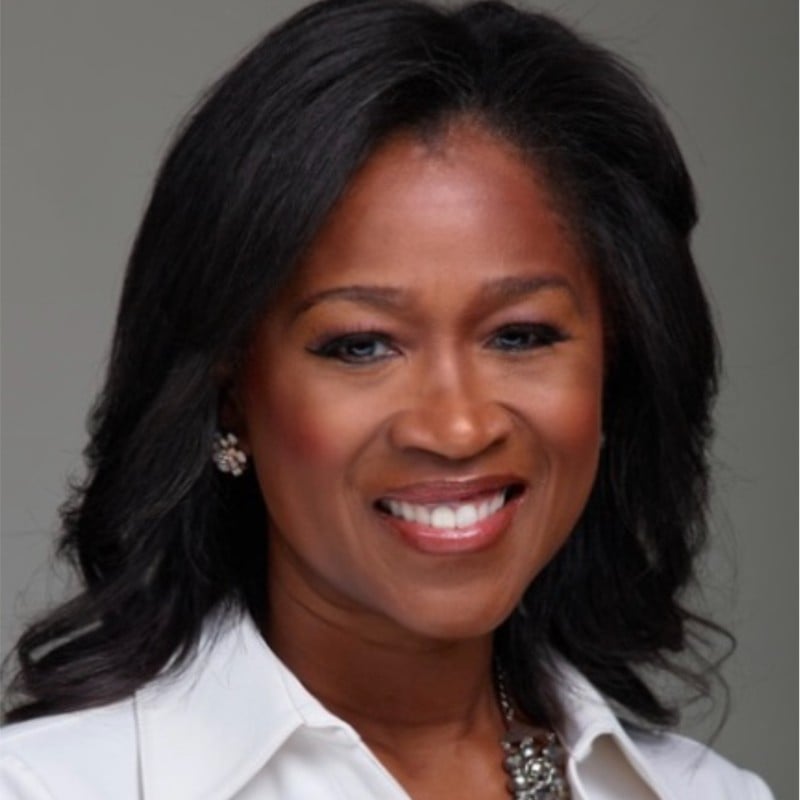
I am a cabinet-level executive operating at the intersection of global policy, climate and development finance, and real-world implementation.
Over more than two decades, I have led complex systems across federal, state, and international contexts—translating policy ambition into measurable, financed outcomes. My work focuses on aligning public finance, private capital, and regulatory frameworks to accelerate delivery across climate, infrastructure, and environmental systems.
I serve as a credentialed delegation member to the UNFCCC process, with participation in four consecutive Conferences of the Parties (COP27–COP30), including High-Level Committee programming and ministerial-level Pre-COP engagement. My international work includes principal-level bilateral engagement, U.S.–China climate dialogue, and collaboration with multilateral institutions, global coalitions, and philanthropic partners.
What distinguishes my experience is the ability to connect global strategy with operational reality. I have led large organizations, navigated political and economic complexity, and delivered outcomes in environments that require coordination across governments, markets, and communities.
My work is grounded in a simple principle: global ambition only matters if it can be implemented at scale.

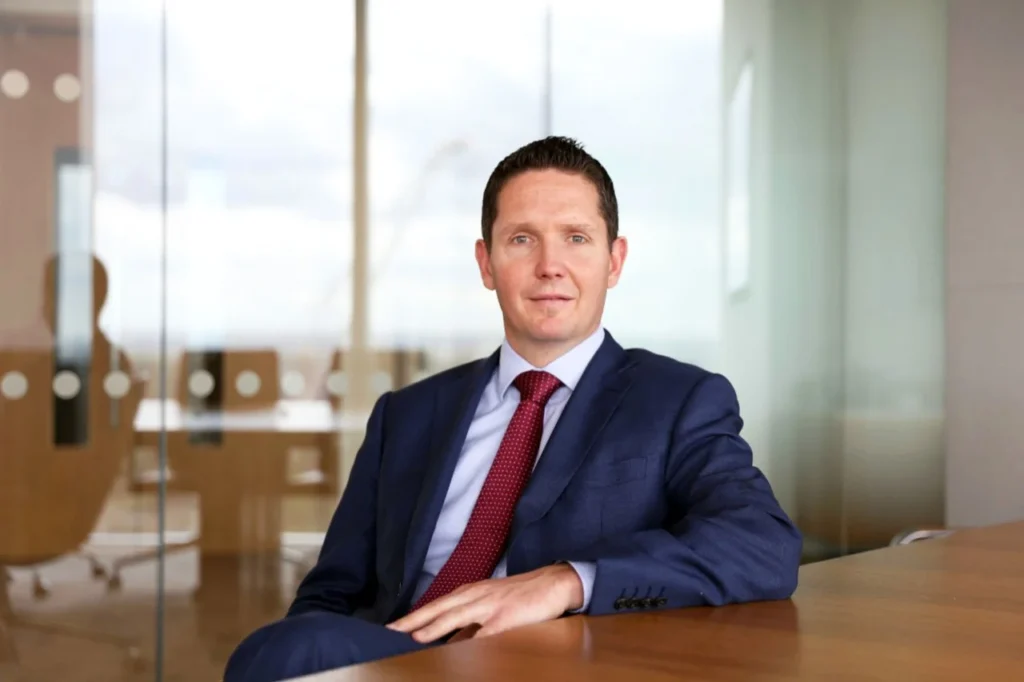
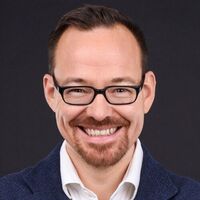
Simon Gupta is the Chairperson of GGF, the Green for Growth Fund. He is a serial entrepreneur, investor and board member with over 20 years of experience in impact investing and development finance across emerging markets. His expertise spans fund governance, blended finance, investment oversight and capital mobilisation. Throughout his career, he has worked with development finance institutions, asset managers and investment funds across Africa, Asia and other emerging markets, combining an investor’s perspective with hands-on entrepreneurial and board experience.
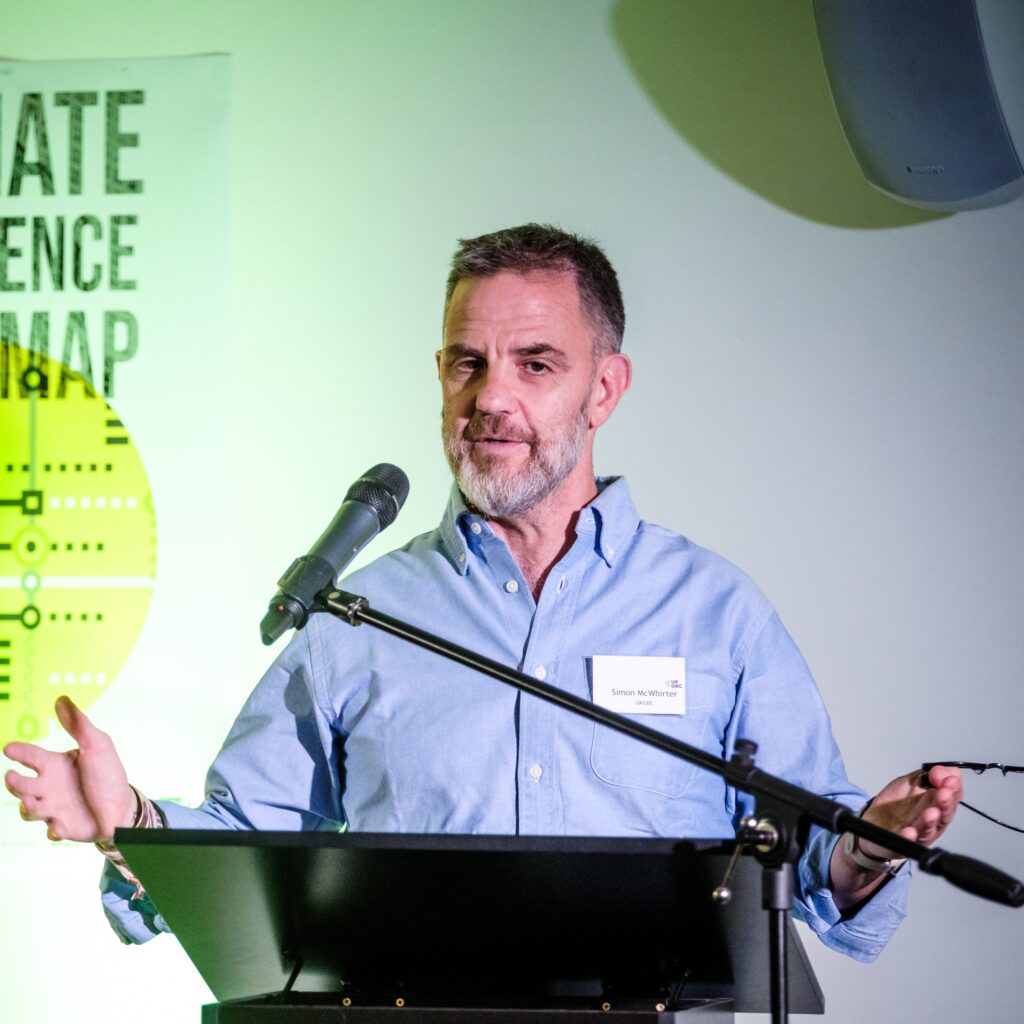
Simon McWhirter is Chief Executive of UKGBC, leading its mission to accelerate sustainability in the built environment. With over 25 years’ experience across construction, finance, and the not-for-profit sectors, Simon has also helped lead the tech spin-out the Active Building Centre, innovative housebuilder HAB Housing, and WWF. A long-standing contributor to UKGBC since its founding, Simon has shaped its policy, advocacy, and international work. He brings deep sector knowledge, strong cross-industry relationships, and a commitment to creating buildings and places that are radically more sustainable, and better for people.


Tom Mitchell is the Executive Director of IIED, steering the overall direction and leadership of IIED’s staff, work programmes and partnerships. He leads on public communications, strategy development and implementation. He engages in public debate in key international events. He has a passion for finding innovative ways to unlock climate justice and is the author of the climate action strategy – Transformation, in Time. Until September 2022 he was the Chief Strategy Officer of Climate-KIC and Director of Climate-KIC International Foundation. He is a former co-ordinating lead author of the Intergovernmental Panel on Climate Change and UN Special Representative senior advisor for Disaster Risk Reduction.

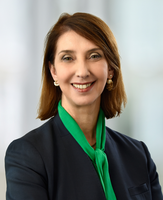
Veronika Pountcheva was appointed as a full-time member of the International Sustainability Standards Board (ISSB) in August 2022, effective 1 October 2022. Prior to her appointment, Ms Pountcheva served as Senior Vice President of corporate responsibility of METRO AG and Co-chief Executive Officer of NX Food, with responsibility for developing the company’s long-term sustainability strategy. She previously held leadership roles at METRO in Bulgaria, Ukraine, Germany and Serbia. Ms Pountcheva also chaired initiatives at the Consumer Goods Forum and Leading Executives Advancing Diversity. Ms Pountcheva holds a Master’s of Economics from the University of National and World Economy in Sofia and a Master’s of Mechanical Engineering and Chemistry from the Technical University of Sofia.





No results found.


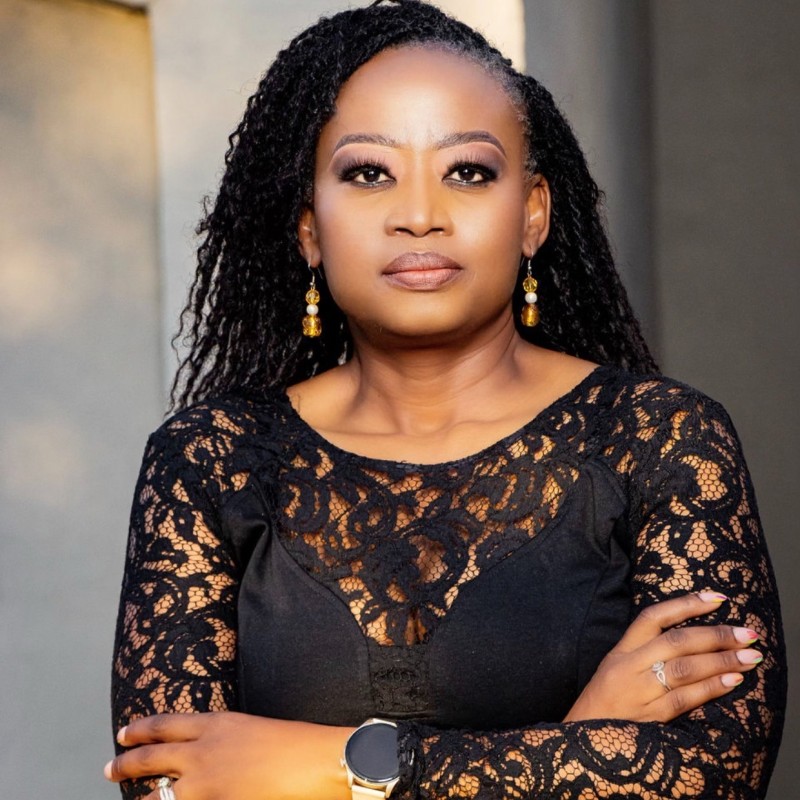


Dr. Mischa Lentz heads ADB’s Private Sector Climate Finance Team, overseeing climate finance support for private sector operations and contributing to the institution’s strategic climate agenda. Since joining ADB in 2020, he has played a key role in advancing innovative financing solutions and expanding climate-focused investment across Asia and the Pacific. Prior to ADB, Dr. Lentz held senior positions at the European Bank for Reconstruction and Development (EBRD), where he led cross-sector investments in multiple regions, including the Middle East and Eastern Europe. He began his career with PwC Germany, advising on complex corporate restructuring and investment transactions. Dr. Lentz holds master’s degrees in civil engineering and finance, a PhD from the Technical University of Berlin, and serves as an Adjunct Professor at the University of the Philippines Diliman.

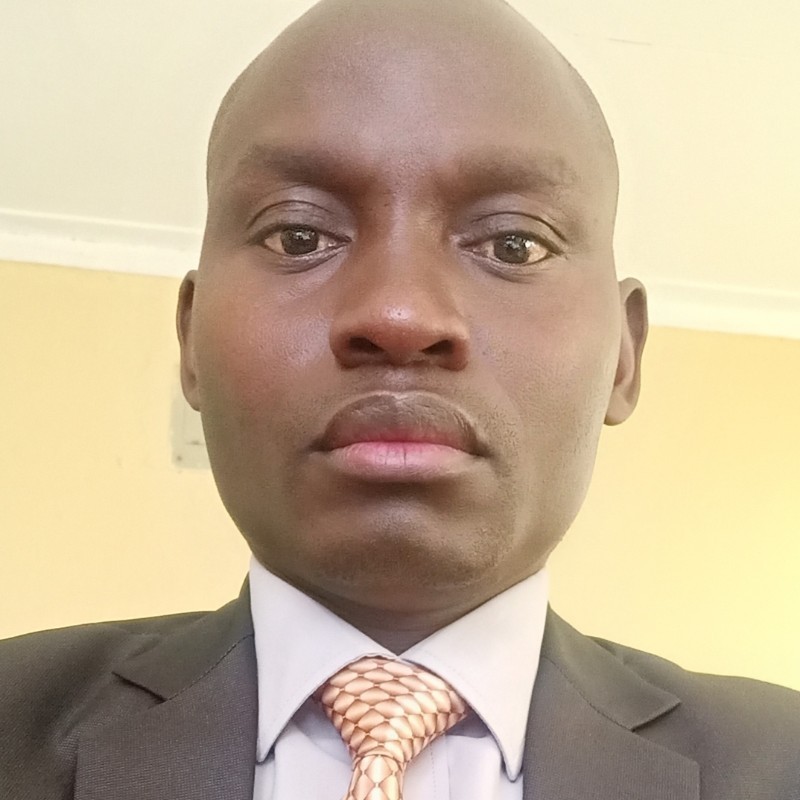



Justin Worland is TIME’s senior correspondent covering energy and climate change and the founder of Future Proof, TIME’s platform for navigating the changing energy and climate economy. For the past decade, his reporting has explored how climate change and the energy transition are reshaping the world around us. His weekly column reaches nearly half a million subscribers. In 2022, Worland was named the inaugural Climate Journalist of the Year by Covering Climate Now. He previously served as the journalism fellow at the University of Chicago’s Energy Policy Institute and is currently the Outrider Foundation fellow at TIME. Worland is a term member at the Council on Foreign Relations and was a founding steering committee member at the Uproot Project, a non-profit that works to diversify environmental journalism.

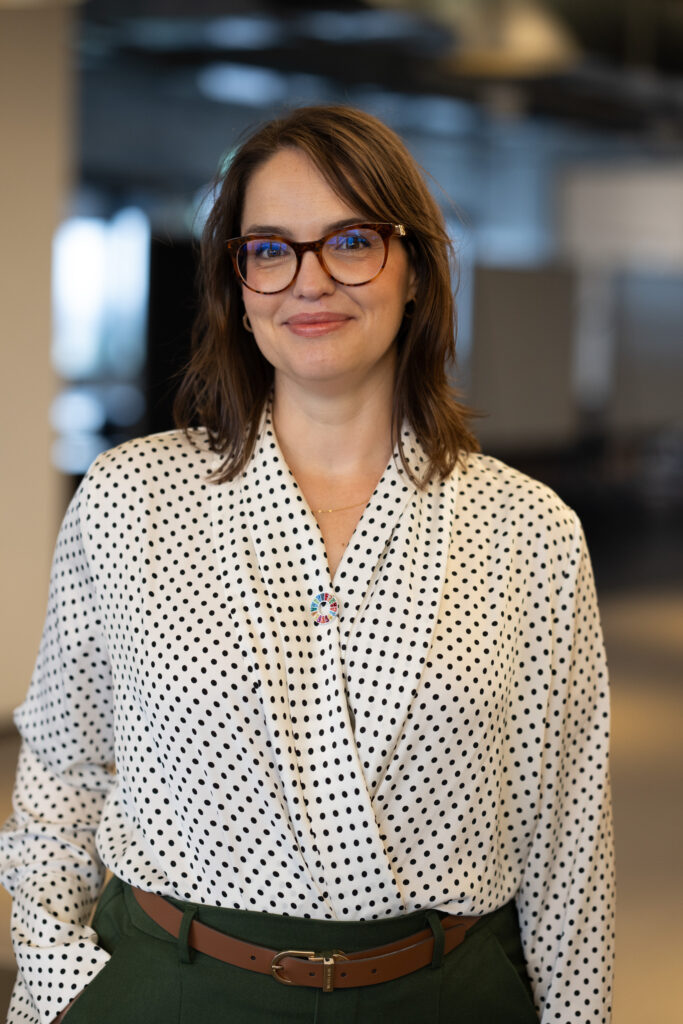
Katrin Harvey is the Secretary General of the Foundations Platform F20. Previously, she served as Chief Operations Officer of the Ban Ki-moon Centre for Global Citizens, working with global leaders to advance the SDGs and Paris Climate Agreement goals. With over 15 years of experience across Europe, Africa, and Asia, Katrin has managed sustainability, clean energy, and climate action initiatives in partnership with philanthropic organizations, government development agencies, the EU, and UN agencies. Her expertise spans climate adaptation, sustainable food systems, energy efficiency, and international law. She holds degrees in language studies and international development.


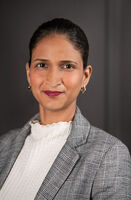
Khushboo Oswal, Global Head of Carbon Management, leads TÜV SÜD’s global Carbon Verification and Certification Business, overseeing strategy, operations, business growth and portfolio development across Europe, the Middle East, Asia and emerging markets. Her remit spans carbon markets, climate assurance, certification, decarbonization and energy transition solutions for energy, industrial and manufacturing sectors. With more than 16 years of international experience across business strategy, P&L, operations, and sustainability, Khushboo combines commercial and technical expertise to develop solutions for emerging market and customer needs. She drives innovation in areas including carbon markets, green hydrogen and sustainable fuels, carbon removals, digital MRV and climate assurance, and has led the development of new global certification frameworks and services. Her work focuses on building credible, scalable solutions that support the transition to a low-carbon economy. Khushboo received her Master’s degree in Economics and Public Policy from IIT Kanpur and her background is in Mechanical Engineering.




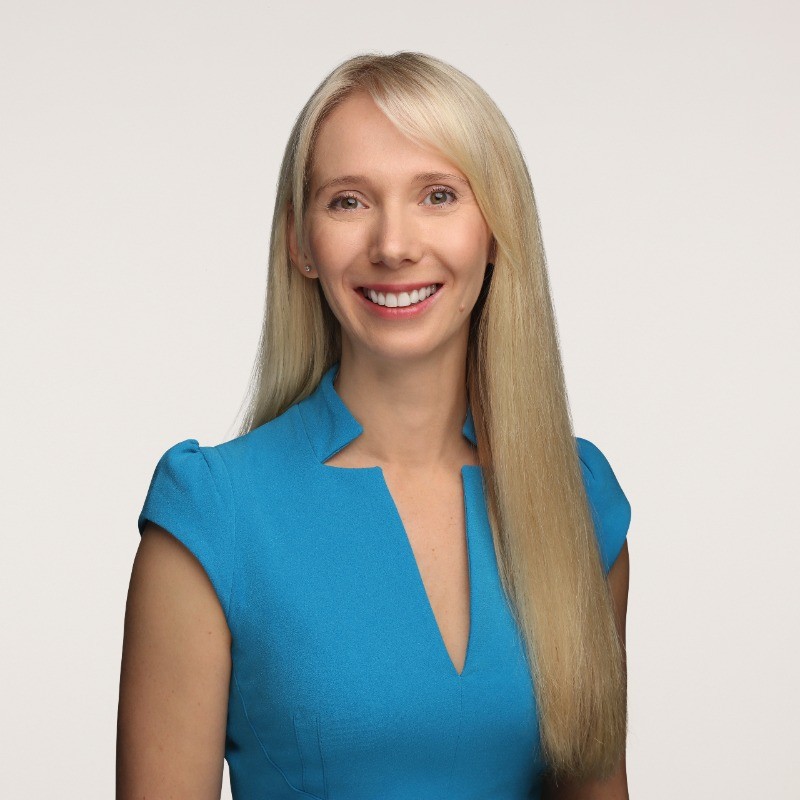



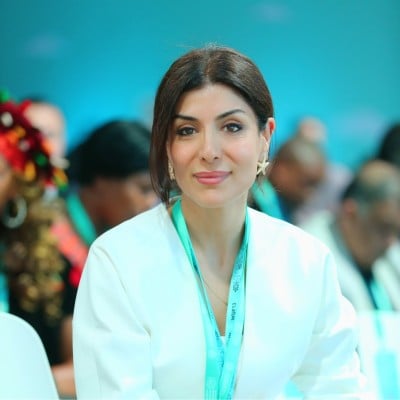

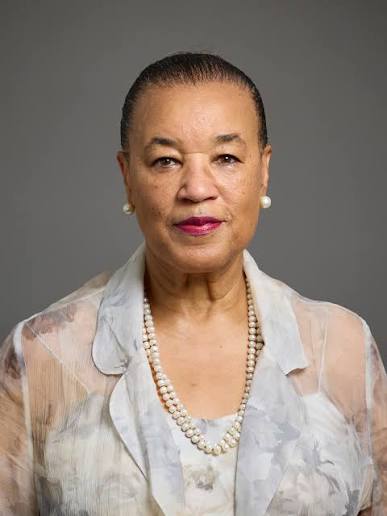


Professor Easton’s expertise in accounting and valuation is widely recognized by the academic research community and by the legal community. Professor Easton has been qualified as an expert witness in the Delaware Chancery Court and he has consulted on valuation issues for investment firms and accounting firms in Australia, the UK, and the USA.
Professor Easton holds undergraduate degrees from the University of Adelaide and the University of South Australia. He holds a graduate degree from the University of New England and a PhD in Business Administration (majoring in accounting and finance) from the University of California, Berkeley.
Professor Easton’s research on corporate valuation has been published in the Journal of Accounting and Economics, Journal of Accounting Research, The Accounting Review, Contemporary Accounting Research, Review of Accounting Studies, and Journal of Business Finance and Accounting. Professor Easton has served as an Associate Editor for 11 leading accounting journals and is currently an Associate Editor for the Journal of Accounting Research, Contemporary Accounting Research, Journal of Business Finance and Accounting, and Journal of Accounting, Auditing, and Finance. He is an Editor of the Review of Accounting Studies.
Professor Easton has held appointments at the University of Chicago, the University of California at Berkeley, Ohio State University, Macquarie University, the Australian Graduate School of Management, the University of Melbourne, and Nyenrode University. He is a member of the Scientific Council of CentER, Tilburg University and is the recipient of numerous awards for excellence in teaching and in research. Professor Easton regularly teaches accounting analysis and security valuation to MBAs.
He, together with John Wilde, Mary Lea McAnally, and Robert Halsey, is author of “Financial Accounting for MBAs,” now in its sixth publication; “Financial & Managerial Accounting for MBAs,” authored with Robert Halsey, Mary Lea McAnally, Al Hartgraves and Wayne Morse is in its fourth edition; “Financial Statement Analysis and Valuation,” authored with Mary Lea McAnally, Patricia Fairfield, Xiao-Jun Zhang and Robert Halsey is currently in its third edition; and “Estimating the Cost of Capital Implied by Market Prices and Accounting Data,” was published in Foundations and Trends in Accounting in 2009. He is one of the founding editors of Accountability in a Sustainable World Quarterly.


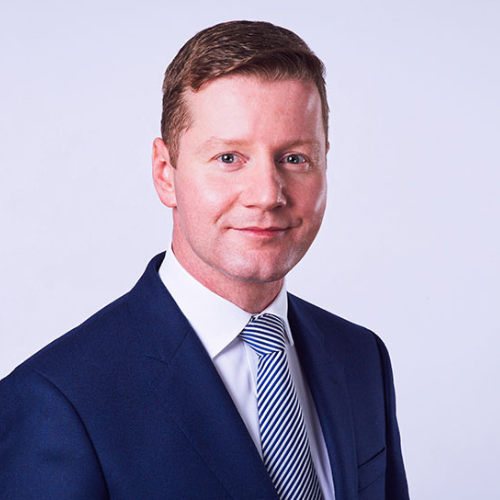

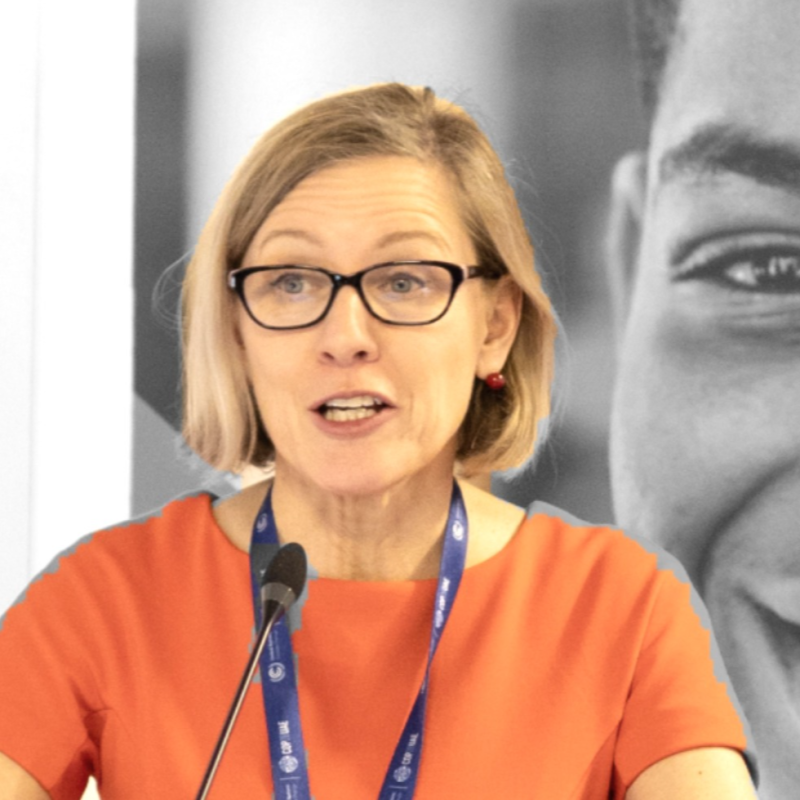


Sean Kidney is CEO of the Climate Bonds Initiative, an international NGO working to mobilize global capital for climate action. Projects include a green bond definitions and certification scheme with $34 trillion of assets represented on its Board and some 200 organizations involved in its development and governance; working with the Chinese central bank on how to grow green bonds in China; and market development programs in Brazil, Mexico, Colombia, Nigeria and East Africa.
He is a member of the European Commission’s Platform on Sustainable Finance, and was a member of its predecessors, the 2017 EU High Level Expert Group on Sustainable Finance and the EU Technical Expert Group on Sustainable Finance. He is also a member of green finance advisory groups in China, India, Mexico and Kazakhstan and an Advisory Board member of the International Sustainable Financial Centre in Prague.
He has previously been a consultant on green bonds to the United Nations Secretary General, a member of the Peoples Bank of China Green Finance Task Force and a member of the Commonwealth Secretariat’s Expert Committee on Climate Finance.
Sean is also a Professor in Practice at SOAS University of London.
For the past three years he has been voted GlobalCapital magazine’s “Most Influential Champion” of the sustainable finance market.











This website uses cookies to ensure you get the best experience on our website. By using our site, you are agreeing to our use of cookies.